1Z0-054 · Question #211
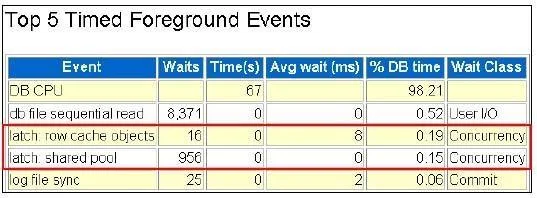
View the Exhibit and examine the details of the Top 5 Timed Events from an Automatic Workload Repository (AWR) report.What can be the three possible causes for the latch-related wait events? (Choose…
The correct answer is A. Shared pool size is too small. B. Cursors are not being shared. C. There are frequent logons/logoffs. See the full explanation below for the reasoning.
Question
View the Exhibit and examine the details of the Top 5 Timed Events from an Automatic Workload Repository (AWR) report.What can be the three possible causes for the latch-related wait events? (Choose three.)
Exhibit
Options
- AShared pool size is too small.
- BCursors are not being shared.
- CThere are frequent logons/logoffs.
- DA large number of COMMITs are being performed.
- EA large number of data definition language (DDL) and query statements are being executed
How the community answered
(36 responses)- A75% (27)
- D11% (4)
- E14% (5)
Community Discussion
4A, B, C are your three. A small shared pool forces constant hard parses which hammer the library cache latch, unshared cursors (usually from literal SQL instead of bind variables) do the same thing, and heavy logon/logoff activity beats up the session-related latches because Oracle has to allocate and deallocate shared pool memory on every connect. D and E are distractors, commits hit redo latches not library cache latches, and DDL alone does not explain a pattern of latch contention the way those first three do.
Saw almost this exact exhibit on my actual exam and my gut said D because we had a batch job hammering commits, but commits drive redo waits not latch contention, so I eliminated it and locked in A, B, C knowing that a small shared pool, cursor mismatches forcing hard parses, and connection churn all beat up the library cache and shared pool latches. The anecdote: I had 40 seconds left on the clock and almost changed to E, glad I trusted the logic that DDL causes lock waits more than latch waits.
The official answer is A, B, C, but D tempting given log file sync contention.
Tripped on this one my first time because I kept second-guessing C, figuring logon storms were more of a CPU thing than a latch thing, but think about what happens to the shared pool every single time a new session starts from scratch. Can you explain why frequent logons drive latch contention while a high COMMIT rate points somewhere else entirely in the wait stack?
